Picture this: you’re at the airport check-in counter, heart pounding as your meticulously packed suitcase slowly inches its way across the belt. The digital display flickers, then settles on a number that instantly drains the color from your face – “OVERWEIGHT!” You know that agonizing moment, the dread of having to frantically repack, jettison beloved items, or worse, cough up an exorbitant fee. This common travel nightmare highlights exactly why understanding and managing the Scale Weight For Luggage is not just a convenience, but a necessity for any savvy traveler.
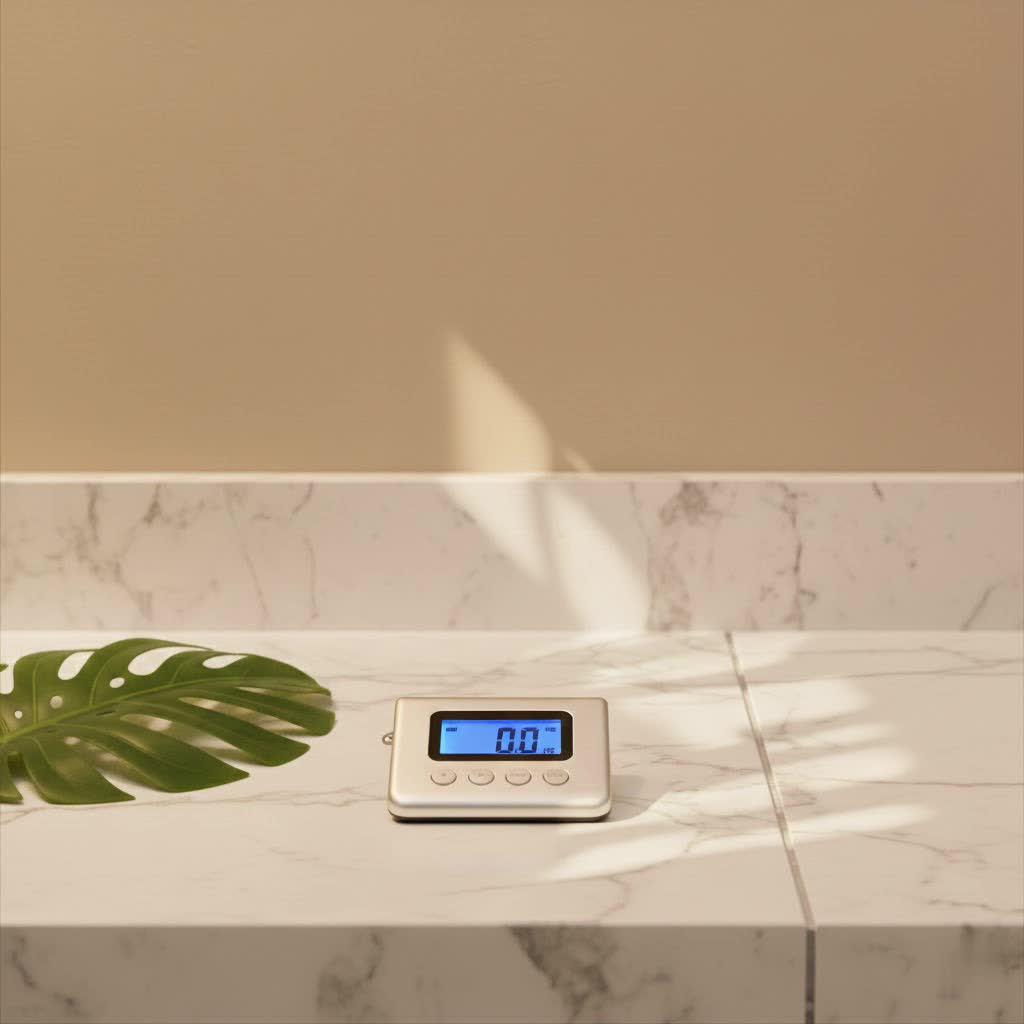
In today’s travel landscape, where airlines are increasingly strict with baggage allowances and quick to charge for every extra pound, a reliable luggage scale isn’t just a gadget; it’s your peace of mind in a compact package. It empowers you to take control of your packing, avoid hidden costs, and sail through check-in with a confident smile. Let’s dive into everything you need to know about these invaluable travel companions.
What is a Luggage Scale and Why Do You Need One?
At its core, a luggage scale is a compact, portable device designed to accurately measure the weight of your baggage. While it might seem like a small detail, its impact on your travel experience is immense. Think of it as your personal weight manager, ensuring your bags comply with airline regulations long before you even leave for the airport.
Why is this so crucial? The primary reason is to avoid those hefty excess baggage fees. These charges can range from a frustrating $50 to an eye-watering $450 per bag, depending on the airline and how significantly you’ve exceeded the limit. That’s money that could be spent on memorable experiences, delicious meals, or even another souvenir, rather than an unexpected penalty.
Travel expert Sarah Miller notes, “A small investment in a luggage scale can save you hundreds, even thousands, in unexpected fees over your traveling lifetime. It’s truly a game-changer for stress-free departures.” Beyond the financial savings, a luggage scale dramatically reduces pre-flight anxiety and the potential embarrassment of having to reorganize your belongings publicly at the check-in counter. It allows for more efficient packing, ensuring you can bring everything you need and even plan for those delightful souvenirs on your return journey without any last-minute surprises.
Types of Luggage Scales
When it comes to weighing your travel bags, you’ll generally encounter a few main types of scales, each with its own quirks and advantages:
Digital Handheld Luggage Scales
|
Our Picks for the Best Luggage Scale in 2026
As an Amazon Associate I earn from qualifying purchases.
|
||
| Num | Product | Action |
|---|---|---|
| 1 | Digital Fish Scale Hanging Scale Fishing Scale, SKEAP 110lb/50kg Luggage Scale,Fish Weighing Scale, Upgrade Large Handle & Backlit LCD Display, Black,Fishing Gifts for Men,Black |

|
| 2 | Luggage Scale, Digital Luggage Scale for Travel, Widen Upgrade Rubber Grip, 110 Pounds Portable Suitcase Scales with LED Display, Temperature Sensor, Peeling Function |
|
| 3 | Luggage Scale 2 Pack Dr.meter Travel Scale Essentials Backlight LCD Display 110lb/50kg Luggage Weight Scale Portable Handheld Scale with Rubber Paint, Temperature Sensor, Battery Included |
|
| 4 | Etekcity Luggage Scale, Travel Essentials, Digital Suitcase Weight Scales for Travel Accessories, Hanging Baggage Scale with Temperature Sensor, Rubber Paint, 110 Pounds, Battery Included, Blue |
|
| 5 | travel inspira Rechargeable Luggage Scale 110lb/50kg - Large Backlit Display - Stainless Steel - Portable Digital Hanging Scale for Suitcases, Bags, Packages (USB -C Charging Included) |
|
| 6 | Flexzion Digital Luggage Scale, Baggage Weight Scale, 110 Lb (50 Kg) with 10g Deviation, Portable Handheld Suitcase Weight Scale with Hook for Travel, Fish Weighing, Black |
|
| 7 | Luggage Scale, 110lb Luggage Weight Scale with 4 Unit Switching Functions&LED Display, Luggage Scale Travel Digital for Weighing Luggage, Backpacks, Packages and Markets |
|
| 8 | Hanging Scale Handheld 880lb/400kg Crane Scale Luggage Scale,with ABS Plastic case & Big LCD Display, Portable Digital Mini Crane Scale Fishing Scale,for Gym,Hunting,Travelling,Farming(Orange) |
|
| 9 | Longang Digital Hanging Luggage Scale with Backlit for Travel, Portable Handheld Suitcase Weight Scale with Hook, 110 Pounds, Battery Included |
|
| 10 | travel inspira Luggage Scale, Portable Digital Hanging Baggage Scale for Travel, Suitcase Weight Scale with Rubber Paint, 110 Pounds, Battery Included |
|
These are by far the most popular and commonly recommended type. They are compact, lightweight, and usually feature an easy-to-read LCD screen, often with a backlight for dim lighting conditions. Digital scales typically operate on small batteries (like CR2032 coin cells) and provide precise readings, often down to 0.1 pounds or a few grams. Their portability makes them ideal for tossing into your carry-on for the return trip.
Manual or Analog Luggage Scales
Less common but still available, these scales don’t require batteries. They work with a spring mechanism and a dial that indicates the weight. Some travelers appreciate their simplicity and the fact that they’ll never run out of power. However, they can sometimes be clunkier, and reading an exact weight can be a bit more challenging, especially with a heavy, swinging bag. Interestingly, one source suggests that some manual scales can offer perfect accuracy, which digital scales might miss by a few ounces. Many manual models also smartly include a built-in tape measure, handy for checking bag dimensions.
Kinetic or Battery-Free Scales
A more eco-conscious and convenient digital option, these scales generate their own power through motion (e.g., twisting or shaking the device). This means no more scrambling for batteries! While innovative, their capacity might sometimes be slightly lower than traditional digital scales, and the mechanism for generating power might require a few twists before use.
The “Bathroom Scale” Method
For those without a dedicated luggage scale, the bathroom scale method is a common workaround. You first weigh yourself, then weigh yourself holding your packed luggage, and subtract your weight from the combined total. While this can provide a rough estimate, it’s generally less accurate and much more cumbersome. Bathroom scales are designed for even weight distribution, which is hard to achieve with a bulky suitcase. Plus, it’s not a solution you can take with you for the journey home.
How to Use a Luggage Scale: A Step-by-Step Guide
Using a digital luggage scale is remarkably simple, designed to be user-friendly even when you’re in a pre-travel rush. Follow these steps for an accurate reading:
- Power Up and Select Units: Turn on your digital luggage scale. Most scales have a button to switch between units, so ensure it’s set to your preferred measurement (pounds, “lbs,” or kilograms, “kg”).
- Zero It Out: Before attaching your bag, ensure the display reads “0.0” (or a similar zero indication). This is crucial for an accurate measurement.
- Attach Your Luggage: Most luggage scales come with a sturdy strap and a metal hook or clip. Loop the strap around the primary handle of your suitcase or secure the hook to the handle. Make sure it’s firmly attached and balanced.
- Lift Slowly and Steadily: Grasp the handle of the luggage scale with both hands. Slowly and smoothly lift the entire piece of luggage off the ground. The key here is “slow and steady” – avoid jerky movements. Hold the luggage as still as possible for 5 to 10 seconds to allow the scale’s sensor to stabilize.
- Read the Display: The digital display will typically lock in on a final weight once it’s stable. Read this number carefully. If you’re using a manual scale, the dial will indicate the weight.
- Lower and Repeat (if needed): Gently lower your luggage back down. If you want to double-check, you can repeat the process.
Pro Tip for Accuracy: Always lift the bag completely off the ground and keep it from touching anything else (like your legs or another surface) during the weighing process. Any contact will skew your reading.
Key Features to Consider When Buying Your Next Luggage Scale
Choosing the right luggage scale means looking beyond just the ability to measure weight. Here are the essential features to consider:
- Accuracy and Capacity: The most important factor. Look for scales that provide consistent, precise readings (e.g., to 0.1 lb or 50g). Most scales have a maximum capacity of 110 lbs (50 kg), which is sufficient for standard airline limits. Don’t overload the scale beyond its stated capacity.
- Display Quality: A backlit LCD screen is a game-changer, especially when weighing bags in dimly lit hotel rooms or early mornings. Ensure the numbers are large and easy to read.
- Unit Conversion: For international travelers, the ability to switch effortlessly between pounds (lbs) and kilograms (kg) is a must. This avoids mental math at critical moments.
- Durability and Grip: A well-built scale with a comfortable, non-slip grip or handle will make lifting even heavy bags easier and reduce the risk of dropping your luggage. Look for robust materials that can withstand travel wear and tear.
- Portability and Weight: Since you’ll likely want to take your luggage scale with you, choose one that’s compact and lightweight. It should easily fit into your carry-on or even a jacket pocket without adding significant bulk.
- Power Source: Decide if you prefer a standard battery-operated digital scale (often CR2032 batteries, which are widely available) or a kinetic/battery-free model.
- Extra Features: Some scales offer useful additions like a tare function (to weigh items in a container), an auto-off feature to save battery life, a temperature gauge, or even a built-in tape measure for checking bag dimensions.
The Undeniable Benefits of Using a Luggage Scale for Stress-Free Travels
The value of a luggage scale extends far beyond simply getting a number. It’s about transforming your travel experience from anxious to assured.
Financial Savings
This is arguably the biggest benefit. By knowing your baggage weight beforehand, you can avoid unexpected and often exorbitant airline fees for overweight luggage. Mark Davis, a seasoned traveler, advises, “Having a reliable luggage scale means you can focus on the adventure, not the airport scales. It’s about smart travel, not just packing.” Imagine saving $100-$200 on a single trip – your scale will pay for itself many times over.
Peace of Mind
No more guessing games or pre-flight anxiety. You’ll arrive at the airport confident that your bags are within the limits, allowing you to breeze through check-in. This peace of mind is truly priceless.
Efficient Packing
A luggage scale helps you become a more strategic packer. You can optimize weight distribution across multiple bags, make informed decisions about what to bring (and what to leave behind), and even plan for purchases like souvenirs on your return journey, ensuring you stay within your allowances.
Time-Saving
Avoid the dreaded scenario of having to open your suitcase on the airport floor to redistribute items or argue with airline staff. A quick check at home means you save valuable time and unnecessary stress at the airport.
Flexibility for Souvenirs
Love to shop when you travel? Your luggage scale becomes an essential tool on the way back, allowing you to gauge how much “spare” weight you have for those treasured mementos and gifts without incurring extra charges.
Smart Tips to Avoid Overweight Baggage Fees
Even with a reliable luggage scale, a few smart strategies can further safeguard you against those pesky fees:
- Know Your Airline’s Limits: This is paramount. Baggage allowances (both weight and dimensions) vary significantly by airline, ticket class, and destination. Always check the specific rules for your flight before you start packing.
- Distribute Weight Evenly: If you have multiple bags, spread out heavier items rather than cramming them all into one suitcase.
- Maximize Your Carry-on: Your carry-on and personal item usually have their own weight and size allowances. Utilize these for denser, heavier items that you want to keep with you.
- Wear Bulky Items: If you have a heavy coat or boots, consider wearing them on the plane rather than packing them.
- Travel-Size Toiletries: Opt for travel-sized versions of liquids and personal care items, or transfer them into smaller, reusable containers to save weight.
- Shop Smart: When buying souvenirs, consider their weight. That beautiful ceramic vase might be worth the fee, but a heavy rock collection might not!
- Pre-Book Extra Baggage: If you know your luggage will likely exceed the standard limit, it’s almost always cheaper to purchase extra baggage allowance online in advance directly from the airline rather than at the airport counter.
Frequently Asked Questions (FAQs)
Q: Are luggage scales truly accurate?
A: Most reputable digital luggage scales are quite accurate, often measuring within a few ounces of the actual weight. For peace of mind, it’s always wise to pack your luggage 1-2 pounds (about 0.5-1 kg) lighter than the airline’s maximum allowance, just in case of slight discrepancies between your scale and the airport’s.
Q: Can I bring my luggage scale on an airplane?
A: Yes, portable digital luggage scales are generally allowed in both carry-on and checked luggage without any issues. Their small size and non-threatening nature make them perfectly acceptable for air travel.
Q: What is the typical weight limit for checked bags?
A: For economy class on international flights, a standard checked bag typically has a weight limit of 50 lbs (23 kg). However, this can vary significantly by airline, your ticket class (e.g., business or first class often allows more), and your specific route or destination. Always check your particular airline ticket and their website for the most accurate information.
Q: How often do I need to calibrate a luggage scale?
A: Most modern digital luggage scales are factory-calibrated and generally do not require frequent manual calibration. If you notice inconsistent readings or suspect an issue, you can test its accuracy against a known weight (like a bag of sugar or a dumbbell) to see if it’s still functioning correctly.
Conclusion
Navigating the complexities of air travel is challenging enough without the added worry of overweight baggage. Investing in a reliable luggage scale is a simple yet powerful solution that puts you in control, saving you money, time, and unnecessary stress. From understanding the nuances of different scale types to mastering the technique for an accurate reading, embracing the scale weight for luggage concept is a cornerstone of smart, hassle-free travel. So, before your next adventure, grab a quality luggage scale, pack with confidence, and enjoy the journey, knowing your bags are perfectly within limits. Happy travels!
