Picture this: you’re at the airport, check-in line stretching endlessly, and a knot forms in your stomach. Is your suitcase over the weight limit? Will you face those dreaded overweight baggage fees? This common travel anxiety is exactly what the Beis luggage scale aims to conquer, offering a clever, integrated solution that lets you pack smarter, not harder.
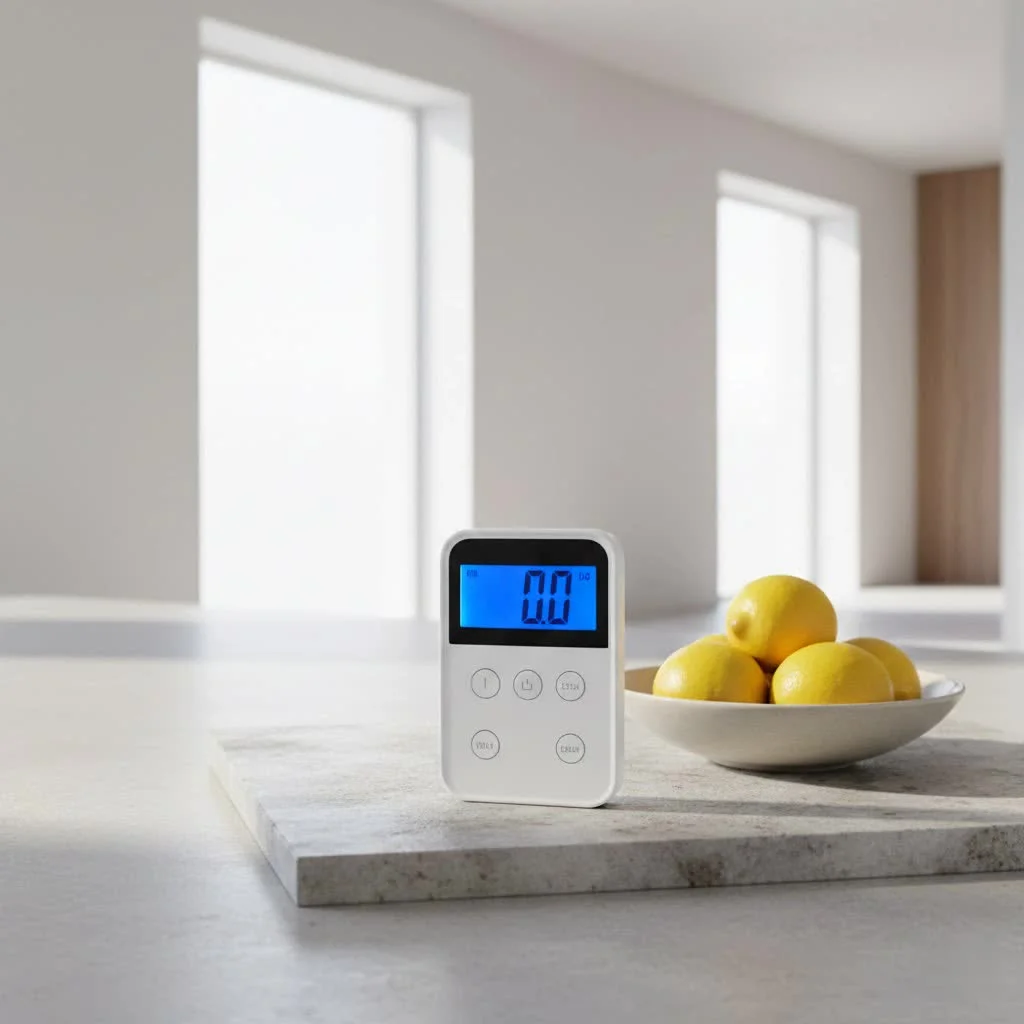
Beis, a brand renowned for blending chic aesthetics with practical functionality in travel gear, has truly elevated the packing experience. While many travelers grapple with external scales or resort to the “lift-and-guess” method, Beis luggage often comes equipped with an ingenious built-in weight indicator. This feature isn’t just a fancy add-on; it’s a testament to thoughtful design, ensuring your journey starts smoothly without unexpected hitches at the check-in counter. This guide will walk you through everything you need to know about the Beis luggage scale, helping you master your packing and embrace hassle-free travel. For expert travel accessories reviews on this site.
What is the Beis Luggage Weight Indicator?
Unlike a separate, handheld device, the Beis luggage scale is a seamless feature integrated directly into the side handle of many Beis suitcases. It’s a small, clear window designed to give you an immediate visual cue about your bag’s weight. This indicator is specifically calibrated to a common airline weight limit, typically 50 pounds (approximately 22.7 kg), which is a standard threshold for checked baggage in many regions, especially within the United States.
When your Beis suitcase is packed and you lift it using the side handle, the magic happens. If your bag’s weight exceeds the 50-pound limit, the clear window within the handle will prominently turn red. This color change serves as a clear, unmistakable warning that your bag is overweight, prompting you to redistribute items or remove some before heading to the airport. If the window remains clear, you’re good to go – your luggage is within the acceptable weight range, saving you from potential stress and extra costs. This smart feature is available on various Beis bags, including their popular Carry-On Roller, Medium Check-In Roller, and Large Check-In Roller, making it a staple across their range for discerning travelers.
How to Effectively Use Your Beis Luggage Scale
Using the Beis luggage scale is refreshingly simple, designed for maximum convenience and minimal fuss. It truly eliminates the need for any guesswork or complicated procedures.
Here’s a quick, step-by-step guide:
- Pack Your Bag: Fill your Beis suitcase as you normally would, utilizing all its organizational features like compression straps and internal pockets.
- Lift by the Side Handle: Once packed, simply lift your Beis suitcase using the dedicated side handle where the weight indicator is located.
- Check the Indicator Window: Observe the small, clear window on the handle.
- If it stays clear: Congratulations, your bag is within the 50-pound weight limit. You’re “in the clear!”
- If it turns red: This indicates your bag is over 50 pounds. Time for some adjustments!
“The beauty of the Beis luggage scale is its sheer simplicity,” says Isabella Garcia, a seasoned travel blogger and efficiency expert. “You don’t need to fumble with batteries or digital displays; it’s an immediate, intuitive check that makes pre-travel anxiety a thing of the past.” This straightforward mechanism is a significant upgrade from older methods, such as weighing yourself on a bathroom scale with and without your suitcase, or simply hoping for the best. The Beis luggage scale provides an instant, reliable answer, allowing you to fine-tune your packing from the comfort of your home.
The Undeniable Benefits of Beis’s Built-in Scale
|
Our Picks for the Best Luggage Scale in 2026
As an Amazon Associate I earn from qualifying purchases.
|
||
| Num | Product | Action |
|---|---|---|
| 1 | Luggage Scale, 110lb Luggage Weight Scale with 4 Unit Switching Functions&LED Display, Luggage Scale Travel Digital for Weighing Luggage, Backpacks, Packages and Markets |

|
| 2 | Flexzion Digital Luggage Scale, Baggage Weight Scale, 110 Lb (50 Kg) with 10g Deviation, Portable Handheld Suitcase Weight Scale with Hook for Travel, Fish Weighing, Black |
|
| 3 | Digital Fish Scale Hanging Scale Fishing Scale, SKEAP 110lb/50kg Luggage Scale,Fish Weighing Scale, Upgrade Large Handle & Backlit LCD Display, Black,Fishing Gifts for Men,Black |
|
| 4 | Luggage Scale 2 Pack Dr.meter Travel Scale Essentials Backlight LCD Display 110lb/50kg Luggage Weight Scale Portable Handheld Scale with Rubber Paint, Temperature Sensor, Battery Included |
|
| 5 | travel inspira Luggage Scale, Portable Digital Hanging Baggage Scale for Travel, Suitcase Weight Scale with Rubber Paint, 110 Pounds, Battery Included |
|
| 6 | travel inspira Rechargeable Luggage Scale 110lb/50kg - Large Backlit Display - Stainless Steel - Portable Digital Hanging Scale for Suitcases, Bags, Packages (USB -C Charging Included) |
|
| 7 | Longang Digital Hanging Luggage Scale with Backlit for Travel, Portable Handheld Suitcase Weight Scale with Hook, 110 Pounds, Battery Included |
|
| 8 | Etekcity Luggage Scale, Travel Essentials, Digital Suitcase Weight Scales for Travel Accessories, Hanging Baggage Scale with Temperature Sensor, Rubber Paint, 110 Pounds, Battery Included, Blue |
|
| 9 | Hanging Scale Handheld 880lb/400kg Crane Scale Luggage Scale,with ABS Plastic case & Big LCD Display, Portable Digital Mini Crane Scale Fishing Scale,for Gym,Hunting,Travelling,Farming(Orange) |
|
| 10 | Luggage Scale, Digital Luggage Scale for Travel, Widen Upgrade Rubber Grip, 110 Pounds Portable Suitcase Scales with LED Display, Temperature Sensor, Peeling Function |
|
The integrated Beis luggage scale brings a host of advantages that significantly enhance the travel experience, transforming potential packing headaches into seamless preparations.
First and foremost is unparalleled convenience. There’s no extra gadget to remember, pack, or potentially misplace. The scale is always right where you need it, built into your suitcase. This means one less item on your pre-trip checklist and more space in your bag.
Secondly, and arguably most importantly, is the peace of mind it offers. Overweight baggage fees can quickly add up, turning an affordable trip into an unexpectedly expensive one. Knowing that your bag is within limits before you even leave your driveway eliminates that gnawing worry. This foresight prevents the awkward and often stressful scenario of repacking your suitcase at the airport check-in counter, often under the watchful eyes of impatient fellow travelers.
Thirdly, it’s a prime example of integrated design. The Beis luggage scale isn’t an afterthought; it’s a cohesive part of the luggage’s overall functionality and aesthetic. This commitment to thoughtful details underscores Beis’s dedication to creating genuinely user-friendly travel solutions. It’s not just about looking good; it’s about performing brilliantly. This integration also reflects a modern approach to travel gear, where smart features are subtly woven into the product, rather than existing as bulky add-ons.
Understanding the Limitations (and What to Expect)
While the Beis luggage scale is undeniably useful, it’s important to understand its specific functionalities and inherent limitations. This isn’t a precise digital scale; rather, it’s a visual indicator designed for a singular purpose: to tell you if your bag is over a specific weight threshold, typically 50 pounds.
This means you won’t get an exact weight reading (e.g., 48.5 lbs vs. 51.2 lbs). It’s a “yes/no” or “clear/red” system. Some users have reported instances where the indicator might appear “half-red” if the bag is very close to the 50-pound mark, leading to a slight ambiguity. While this usually means you’re just under the limit, it’s not as definitive as a digital readout.
Furthermore, the Beis luggage scale only applies to the suitcase it’s built into. If you’re traveling with multiple bags, a personal item, or a separate duffel, you would still need an alternative method to weigh those. It’s also crucial to remember that airline weight limits can vary, especially for international flights or different classes of service. While 50 lbs is a common standard, always double-check your specific airline’s current baggage policies before you fly, as some may have lower limits or charge for bags even slightly under 50 lbs depending on fare class.
Expert Tips for Smart Packing with Your Beis Luggage
Maximizing the benefits of your Beis luggage scale involves adopting a few smart packing strategies. With some foresight, you can ensure your travels remain light and fee-free.
1. Start Light, Pack Smart: Beis suitcases, while durable and feature-rich, can sometimes be slightly heavier than ultra-light competitors due to their robust construction and added features. Be mindful of this base weight when you begin packing.
2. Embrace Packing Cubes: These organizational marvels don’t just keep your clothes tidy; they can also help you visualize and distribute weight more effectively. By compartmentalizing your belongings, you can avoid putting all heavy items in one section, which can sometimes make the built-in scale read incorrectly due to uneven pressure.
3. Distribute Weight Evenly: Try to spread out heavier items throughout your suitcase. This not only helps with the balance of the bag (making it easier to roll) but also ensures the Beis luggage scale gets an accurate reading when you lift it by the handle.
4. Know Your Airline’s Rules: “While the 50-pound indicator is a fantastic benchmark, always verify your specific airline’s baggage allowance, particularly for international travel,” advises Liam Thorne, a frequent flyer and travel gear reviewer. “Limits can change, and being informed is your best defense against unexpected fees.” He emphasizes that some budget airlines might have stricter limits or charge for carry-ons, so understanding the entire baggage policy for your journey is crucial.
5. Consider a Mini Portable Scale for Other Bags: If you often travel with multiple checked bags or non-Beis luggage, a small, inexpensive digital luggage scale can be a valuable addition. This ensures all your bags are within limits, providing a precise numerical weight when the Beis indicator gives you an ‘over’ signal.
Why the Beis Luggage Scale is a Game Changer for Travelers
In the dynamic world of travel, where convenience and style often go hand-in-hand, the Beis luggage scale stands out as a genuine game changer. It’s more than just a functional feature; it’s a reflection of Beis’s commitment to understanding and addressing the real-world challenges travelers face.
This integrated scale eliminates one of the most common anxieties of flying: the fear of overweight baggage fees. By providing an instant, visual check, Beis empowers travelers to make necessary adjustments discreetly at home, saving precious time and avoiding potential embarrassment at the airport. It’s a smart solution that aligns perfectly with the brand’s philosophy of making travel effortless and enjoyable.
The Beis luggage scale enhances the overall travel experience by combining practicality with the brand’s signature sleek design. It’s a thoughtful detail that elevates Beis luggage beyond just a container for your belongings, transforming it into a smart travel companion. For travelers who appreciate intelligent design and a seamless journey, the convenience offered by the Beis luggage scale is truly invaluable.
Frequently Asked Questions about the Beis Luggage Scale
Q1: What is the weight limit for the Beis luggage scale?
A1: The Beis luggage scale is designed to indicate if your bag exceeds 50 pounds (approximately 22.7 kg), which is a common standard weight limit for checked luggage on many airlines, especially in the US.
Q2: Is the Beis luggage scale accurate?
A2: The Beis luggage scale acts as a reliable indicator to tell you if your bag is over the 50-pound limit. While it doesn’t provide a precise digital weight, it accurately signals “overweight” or “within limit,” which is its primary function. Some users note it can be ambiguous if very close to the limit.
Q3: Do all Beis bags have a built-in scale?
A3: The built-in weight indicator is a feature found on many of Beis’s hardside roller suitcases, including the Carry-On, Medium Check-In, and Large Check-In Rollers. However, it’s not present on all Beis products, such as duffels, backpacks, or smaller travel accessories. Always check product specifications.
Q4: Can I calibrate my Beis luggage scale?
A4: No, the Beis luggage scale is a mechanical indicator and cannot be calibrated by the user. It’s pre-set to indicate when the weight threshold (typically 50 lbs) is surpassed.
Q5: What if my bag is slightly over 50 lbs but the indicator isn’t fully red?
A5: If the indicator shows a partial red or you’re close to the 50-pound mark, it’s a good idea to remove a few items to ensure you’re comfortably under the limit. While the indicator is reliable, erring on the side of caution can prevent issues at check-in, especially if airline scales have slight variations.
Conclusion
The Beis luggage scale is more than just a clever feature; it’s a true travel ally. By simplifying the often-stressful task of weighing your bags, it empowers you to approach your journey with confidence and a sense of calm. No more frantic repacking at the airport or dreading those hefty overweight fees.
Whether you’re a casual vacationer or a seasoned globetrotter, the convenience and peace of mind offered by this integrated Beis luggage scale are undeniable. It allows you to focus on the excitement of your destination, rather than the logistics of your luggage. So, next time you’re gearing up for an adventure, pack smart, check your Beis luggage scale, and embark on a truly stress-free travel experience. Give it a try, and share your experience of how the Beis luggage scale has transformed your travel preparations!
Get our weekly buyer guide
Practical specs, not advice. Unsubscribe anytime.