Ever stood at the airport check-in counter, heart pounding, as your luggage teeters on the edge of the weight limit? That moment of dread, wondering if you’ll face an unexpected fee or, even worse, have to rearrange your meticulously packed belongings in front of a queue of impatient travelers? If this sounds familiar, then an electronic scale for luggage isn’t just a gadget; it’s your new best friend for stress-free journeys.
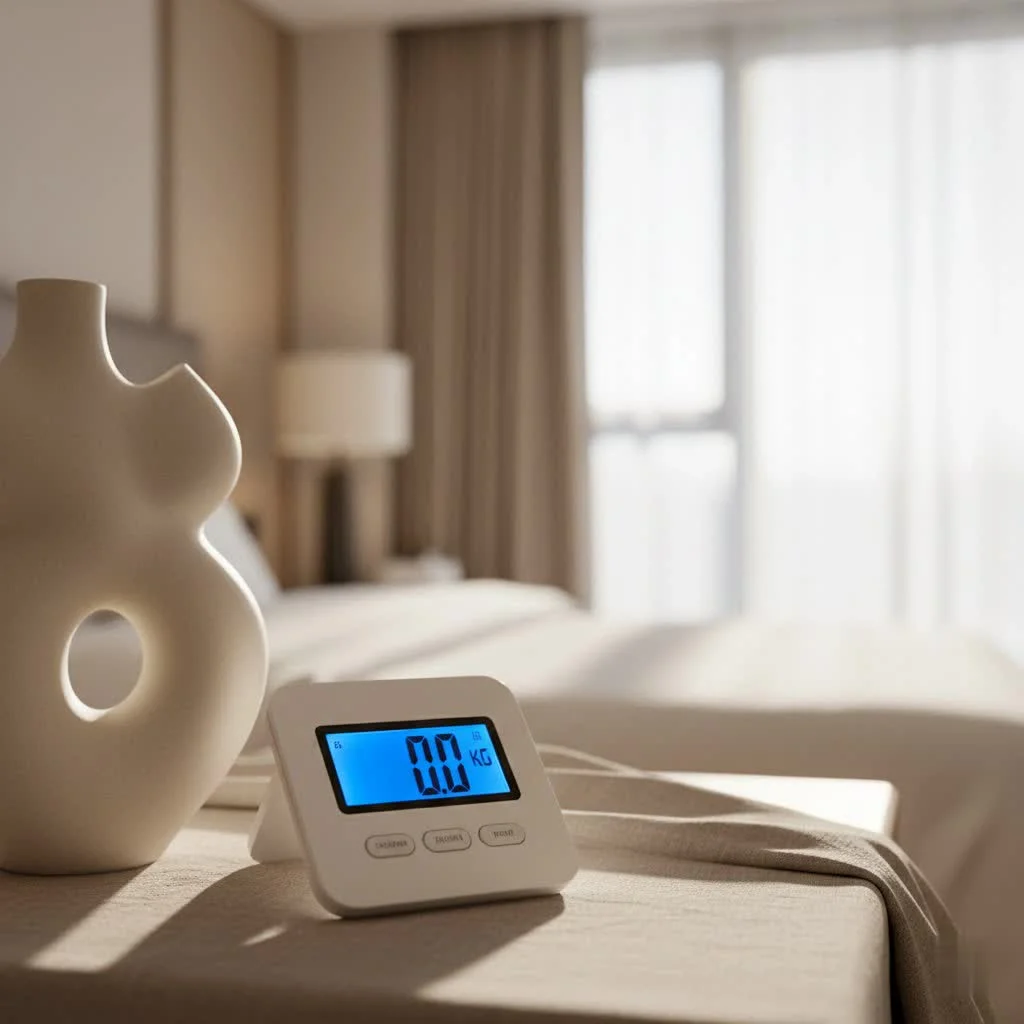
This compact, indispensable tool is revolutionizing how we approach travel, offering a simple yet powerful solution to one of flying’s most common headaches. Imagine confidently knowing your bags are compliant before you even leave your doorstep. That’s the peace of mind an electronic luggage scale brings to every trip.
What is an Electronic Luggage Scale and Why Do You Need One?
At its core, an electronic scale for luggage is a portable, handheld device designed specifically to weigh suitcases, backpacks, and other travel bags. Unlike traditional analog scales, which use springs and pointers, electronic versions boast digital displays, providing precise weight measurements with impressive accuracy, often down to a decimal place. This digital precision eliminates guesswork, making it far superior for travelers who need exact figures to avoid airline penalties.
Why is this little gadget so crucial? Simply put, it saves you time, money, and a whole lot of airport anxiety. Airlines are strict with their baggage allowances, and exceeding them, even by a small margin, can lead to hefty surcharges. An electronic luggage scale empowers you to pre-empt these issues, ensuring your bags are within limits long before you arrive at the airport. It’s about proactive travel, not reactive panic.
How to Use Your Electronic Luggage Scale for Accurate Readings
Using an electronic luggage scale is wonderfully straightforward, yet a few simple techniques can ensure you get the most accurate readings every time. Think of it like this: precision tools demand precise handling!
Here’s a quick step-by-step guide to mastering your electronic scale for luggage:
- Power On and Zero Out: First things first, turn on your scale. Most electronic scales have a single “Power” or “On/Off” button. Wait for the display to show “0.00” (or “0.0” depending on the unit) before weighing. This “zeroing” ensures an accurate starting point.
- Attach Securely: Locate the scale’s strap or hook. Loop the strap around a sturdy handle of your luggage, then secure the hook back onto the scale itself, forming a strong loop. Ensure your bag is hanging freely and balanced.
- Lift Slowly and Steadily: This is key! Grip the scale’s handle firmly with both hands. Slowly and smoothly lift your luggage off the ground. Avoid jerky movements or sudden drops, as these can affect the reading. Aim for a steady, controlled lift for about 5-10 seconds.
- Wait for the Lock: Your electronic scale for luggage will typically “lock in” the weight once it senses a stable measurement. You’ll often see an “H” (for Hold) symbol or hear a beep, and the numbers will stop fluctuating.
- Read and Record: Lower your bag gently and check the final weight displayed on the screen. Now you know exactly where you stand!
For optimal accuracy, try to keep the luggage as still as possible during the lift. Any swinging or shaking can cause fluctuations in the reading. As aviation expert Sarah Miller always advises, “A steady hand and a patient wait are your best allies for an accurate luggage weight. Rushing it only leads to frustration and potentially misleading numbers.”
Key Features to Look for in an Electronic Luggage Scale
When shopping for an electronic scale for luggage, not all scales are created equal. Knowing what features truly matter can help you pick a reliable travel companion.
- Weight Capacity: Most scales can handle up to 110 pounds (50 kg), which is sufficient for standard checked baggage limits on most airlines. However, if you frequently travel with unusually heavy items, check the maximum capacity.
- Accuracy: This is paramount. Look for scales that offer precise readings, often with a division of 10 grams or 0.02 pounds. Reviews often highlight models known for consistent accuracy.
- Unit Conversion: The ability to easily switch between pounds (lbs), kilograms (kg), and sometimes even grams (g) or ounces (oz) is a must-have for international travel.
- Display: A backlit LCD screen is a game-changer, especially in dimly lit hotel rooms or early morning airport dashes. Clear, large digits make reading the weight effortless.
- Portability & Design: A truly great electronic scale for luggage is lightweight and compact enough to slip into your carry-on or even your pocket. An ergonomic grip makes lifting heavy bags more comfortable.
- Durability: Travel can be tough on gear. Opt for a scale made from sturdy materials like heavy-duty plastic or aluminum, with a robust strap or hook.
- Additional Functions: Consider features like a tare function (to zero out the weight of a container), an auto-off feature to save battery, and a low battery indicator. Some advanced models even include a built-in tape measure for dimensions or an item tracker for added peace of mind.
The Unbeatable Benefits of Carrying an Electronic Luggage Scale
Why go through the trouble of acquiring an electronic scale for luggage? The advantages far outweigh the small initial investment:
- Say Goodbye to Overweight Baggage Fees: This is arguably the biggest benefit. Airlines can charge anywhere from $50 to hundreds of dollars for overweight bags. A reliable electronic scale helps you avoid these costly surprises, often paying for itself after just one trip.
- Travel with Confidence: No more last-minute stress at the check-in counter! Knowing your bags are within limits removes a significant source of travel anxiety, letting you focus on the excitement of your journey instead of the fear of fees.
- Efficient Packing: An electronic luggage scale encourages smarter packing. You can weigh items as you pack, allowing you to optimize space and distribute weight evenly across your bags. This prevents overloading one suitcase and discovering it too late.
- Stay Compliant with Airline Regulations: Different airlines and classes of service have varying weight restrictions. With a portable scale, you can easily verify that each bag meets the specific requirements of your flight, ensuring a smooth check-in process every time.
Smart Travel Hacks: Avoiding Surprise Luggage Charges
Even with the best electronic scale for luggage, a few smart habits can further ensure you sail through airport check-ins without a hitch.
- Weigh All Bags at Home: Don’t just weigh the “heavy” one. Get a precise measurement for every piece of luggage you plan to check and carry on. This comprehensive approach ensures no surprises.
- Distribute Weight Evenly: If one bag is too heavy, consider shifting some items to another bag, or even your personal item, if space and airline rules allow. Evenly distributing weight is key to staying under individual bag limits.
- Understand Your Airline’s Specific Policies: Baggage rules can vary significantly between airlines, routes, and ticket classes. Always double-check your airline’s website for the most current weight and size restrictions before you pack.
- Utilize Personal Item Allowances Strategically: Your personal item (like a backpack or large purse) usually isn’t weighed. Use this to your advantage for heavier small items like books, electronics, or toiletries.
- Consider Shipping Items for Heavy Loads: For truly excessive luggage, especially on extended trips or moves, consider shipping some items ahead of time. It might be more economical than paying multiple overweight baggage fees.
Frequently Asked Questions About Electronic Luggage Scales
Let’s address some common queries about these essential travel tools.
Are electronic luggage scales truly accurate?
|
Our Picks for the Best Luggage Scale in 2026
As an Amazon Associate I earn from qualifying purchases.
|
||
| Num | Product | Action |
|---|---|---|
| 1 | travel inspira Luggage Scale, Portable Digital Hanging Baggage Scale for Travel, Suitcase Weight Scale with Rubber Paint, 110 Pounds, Battery Included |

|
| 2 | Flexzion Digital Luggage Scale, Baggage Weight Scale, 110 Lb (50 Kg) with 10g Deviation, Portable Handheld Suitcase Weight Scale with Hook for Travel, Fish Weighing, Black |
|
| 3 | travel inspira Rechargeable Luggage Scale 110lb/50kg - Large Backlit Display - Stainless Steel - Portable Digital Hanging Scale for Suitcases, Bags, Packages (USB -C Charging Included) |
|
| 4 | Etekcity Luggage Scale, Travel Essentials, Digital Suitcase Weight Scales for Travel Accessories, Hanging Baggage Scale with Temperature Sensor, Rubber Paint, 110 Pounds, Battery Included, Blue |
|
| 5 | Luggage Scale, 110lb Luggage Weight Scale with 4 Unit Switching Functions&LED Display, Luggage Scale Travel Digital for Weighing Luggage, Backpacks, Packages and Markets |
|
| 6 | Longang Digital Hanging Luggage Scale with Backlit for Travel, Portable Handheld Suitcase Weight Scale with Hook, 110 Pounds, Battery Included |
|
| 7 | Digital Fish Scale Hanging Scale Fishing Scale, SKEAP 110lb/50kg Luggage Scale,Fish Weighing Scale, Upgrade Large Handle & Backlit LCD Display, Black,Fishing Gifts for Men,Black |
|
| 8 | Luggage Scale 2 Pack Dr.meter Travel Scale Essentials Backlight LCD Display 110lb/50kg Luggage Weight Scale Portable Handheld Scale with Rubber Paint, Temperature Sensor, Battery Included |
|
| 9 | Luggage Scale, Digital Luggage Scale for Travel, Widen Upgrade Rubber Grip, 110 Pounds Portable Suitcase Scales with LED Display, Temperature Sensor, Peeling Function |
|
| 10 | Hanging Scale Handheld 880lb/400kg Crane Scale Luggage Scale,with ABS Plastic case & Big LCD Display, Portable Digital Mini Crane Scale Fishing Scale,for Gym,Hunting,Travelling,Farming(Orange) |
|
Yes, generally, electronic luggage scales are very accurate. Most models provide readings within a few decimal places, especially when used correctly by lifting steadily and allowing the scale to stabilize. While small discrepancies (a few ounces) compared to commercial airport scales can occur, they are usually minimal enough that leaving a small buffer in your packing will prevent any issues.
What’s the typical weight capacity for these scales?
Most electronic luggage scales have a maximum weight capacity of around 110 pounds (50 kilograms). This is more than sufficient for the typical 50-pound (23 kg) or 70-pound (32 kg) limits for checked baggage on major airlines.
How do I reset or calibrate my luggage scale?
Electronic scales typically don’t require manual calibration from the user. To reset it to zero, simply turn the scale on and wait for “0.00” to appear on the display before attaching your luggage. If you need to weigh an item in a container, many scales offer a “tare” function to zero out the container’s weight.
Can I bring an electronic luggage scale in my carry-on?
Absolutely! Electronic luggage scales are small, lightweight, and pose no security risk. You can easily pack them in your carry-on bag or personal item without any issues.
Why choose a digital scale over an analog one?
Digital scales offer superior accuracy and ease of reading thanks to their clear LCD displays. Analog scales can be harder to read precisely, especially when dealing with slight overages, and may be less consistent in their measurements. The digital precision of an electronic scale for luggage gives you much greater confidence.
Conclusion
In today’s travel landscape, an electronic scale for luggage is more than just a convenience; it’s a strategic tool for any savvy traveler. It empowers you to navigate airline regulations with confidence, eliminates the stress of unexpected fees, and fosters a smarter, more efficient approach to packing. By investing in this small device, you’re not just buying a scale; you’re buying peace of mind for all your adventures. So, before your next journey, make sure an electronic scale for luggage is at the top of your packing list. Your wallet, and your sanity, will thank you!
Get our weekly buyer guide
Practical specs, not advice. Unsubscribe anytime.