Imagine the scene: you’re at the airport, already stressed, and your bag gets flagged as overweight. Suddenly, your pre-holiday excitement turns into a frantic scramble to redistribute items or, worse, pay an exorbitant fee. Sound familiar? That’s precisely why a portable weighing scale for luggage isn’t just a gadget; it’s an indispensable travel companion, empowering you to pack confidently and navigate airline regulations with ease. This isn’t about guesswork; it’s about smart, prepared travel.
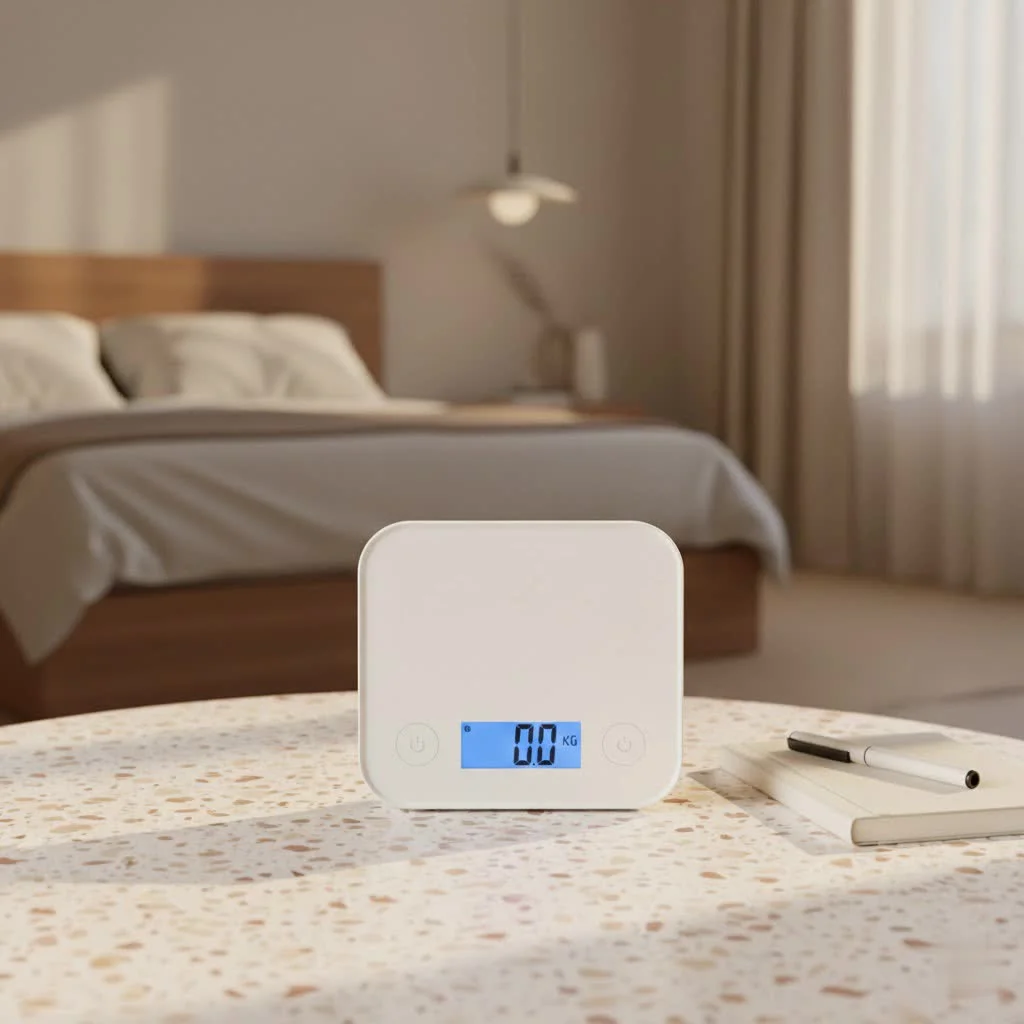
What Exactly is a Portable Weighing Scale for Luggage, and Why Do You Need One?
At its core, a portable weighing scale for luggage is a compact device designed to accurately measure the weight of your bags, suitcases, or backpacks before you even leave for the airport. These handy scales prevent the unwelcome surprise of overweight baggage fees, which can often be more expensive than the scale itself. More than just saving money, they offer immense peace of mind, allowing you to focus on the joy of your journey rather than stressing about baggage limits. For expert travel accessories reviews on this site.
“In my years advising travelers, the single most common avoidable stressor at the airport is overweight luggage,” explains Eleanor Vance, a seasoned travel logistics consultant. “A good portable weighing scale for luggage eliminates that anxiety, making the check-in process smooth and predictable.”
Types of Portable Luggage Scales: Finding Your Perfect Match
When it comes to choosing a portable weighing scale for luggage, you’ll primarily encounter two main types, each with its own advantages:
1. Digital Portable Luggage Scales
These are by far the most popular option. Digital scales offer clear, precise readings displayed on an LCD screen. They often come with various features like tare functions (to zero out the weight of a container), auto-off, and low battery indicators.
- Pros: High accuracy, easy-to-read display, often feature-rich.
- Cons: Requires batteries, susceptible to damage if dropped.
2. Analog Portable Luggage Scales
Less common today, analog scales use a spring mechanism and a needle to indicate weight. They are generally simpler in design and operation.
- Pros: No batteries required, often very durable.
- Cons: Can be less precise, harder to read exact measurements.
Beyond the basic mechanism, consider how the scale attaches to your luggage:
- Hook Scales: These have a strong hook that you loop through your bag’s handle. You then lift the bag to weigh it. They are simple and effective.
- Strap Scales: These feature a sturdy strap that wraps around the bag’s handle, often secured with a buckle. You lift the scale, and it hoists the bag for measurement. Strap scales can sometimes feel more secure for very heavy or awkwardly shaped bags.
How to Use Your Portable Weighing Scale for Luggage Effectively
Using a portable weighing scale for luggage is straightforward, but a few tips can ensure you get the most accurate results:
- Preparation is Key: First, ensure your scale has fresh batteries if it’s a digital model. Find a flat, stable surface where you can comfortably lift your luggage.
- Attach Securely: If using a hook scale, firmly attach the hook to the main handle of your luggage. For strap scales, loop the strap around the handle and secure it tightly.
- Lift Steadily: Gently lift the scale (and your attached luggage) off the ground. Hold it steady and level for a few seconds. Avoid jerky movements, as these can affect the reading.
- Read the Weight: For digital scales, wait for the display to stabilize and show the final weight. For analog scales, read where the needle settles.
- Record and Adjust: Note down the weight. Compare it to your airline’s specific baggage allowance. If it’s over, redistribute items or remove non-essentials until your bag is within the limit.
- Re-weigh (Optional but Recommended): For absolute certainty, especially if you made adjustments, give your bag another quick weigh to confirm it’s now within limits.
- Pro Tip: Always weigh your bag a couple of times. Slight variations can occur, and taking an average or repeating the process helps ensure accuracy.
Key Features to Look for When Buying a Portable Weighing Scale for Luggage
Investing in the right portable weighing scale for luggage means considering more than just its basic function. Here’s what discerning travelers look for:
- Capacity and Accuracy: Check the maximum weight capacity. Most scales handle up to 110 lbs (50 kg), which is sufficient for standard luggage. Accuracy is paramount; look for scales that offer precise readings down to 0.1 lb or 50 grams.
- Ease of Use: A simple, intuitive design is crucial. Can you easily attach your bag? Is the display clear and readable, especially in varying light conditions?
- Durability: Travel can be tough on gear. Choose a scale made from robust materials like ABS plastic or stainless steel that can withstand bumps and drops.
- Portability: The scale itself should be lightweight and compact, easily fitting into your carry-on or personal item without adding significant bulk.
- Display Features (for Digital Scales):
- Backlit Display: Essential for reading weights in dim lighting, like early morning departures or late-night arrivals.
- Tare Function: Allows you to weigh an item, then “zero out” the scale before adding more, useful for weighing individual items.
- Unit Conversion: The ability to switch between pounds (lb) and kilograms (kg) is invaluable for international travel.
- Auto-Off: Saves battery life by automatically shutting down after a period of inactivity.
- Low Battery Indicator: Gives you a heads-up before the battery dies mid-weigh.
- Battery Type: Consider scales that use common batteries (like AAA) that are easy to replace on the go, or those with long-lasting rechargeable options.
The Unbeatable Benefits of Using a Portable Luggage Scale for Travelers
Why has the portable weighing scale for luggage become such a staple for frequent flyers and vacationers alike? The advantages are clear and significant:
- Saves You Money: This is often the primary motivator. Overweight baggage fees can range from $50 to hundreds of dollars per bag, easily making the scale pay for itself on the very first trip.
- Provides Peace of Mind: No more pre-flight anxiety about your bag’s weight. You’ll know exactly where you stand before you even leave home.
- Encourages Efficient Packing: Knowing your limits encourages smarter, more minimalist packing, often leading to less stress and easier travel overall.
- Prevents Repacking at the Airport: Imagine the embarrassment and hassle of opening your suitcase in the middle of a busy check-in line. A scale prevents this public ordeal.
- Helps Avoid Injury: Struggling to lift an unexpectedly heavy bag can lead to strains or injuries. Knowing the weight beforehand helps you handle your luggage safely.
- Optimizes Your Baggage Allowance: Maximize the allowed weight for each bag without going over, ensuring you bring everything you need without penalty.
Smart Travel Tips: Avoiding Overweight Baggage Fees Like a Pro
Having a portable weighing scale for luggage is your first line of defense against fees, but combining it with smart travel habits makes you truly unstoppable:
- Know Your Airline’s Rules: Baggage allowances vary wildly by airline, fare class, and destination. Always check the specific weight limits for both checked and carry-on bags before you start packing.
- Weigh Early, Weigh Often: Don’t wait until the last minute. Weigh your bags a day or two before departure. This gives you ample time to adjust.
- Redistribute Strategically: If one bag is overweight, consider moving heavier items to a lighter bag, your carry-on, or even wearing bulky items like jackets.
- Utilize Your Personal Item: Many airlines allow a personal item (like a backpack or purse) in addition to a carry-on. Heavier small items like books, cameras, or laptops can often go here.
- Consider a Wearable Vest: For extreme cases, or if you’re traveling with very restrictive limits, a multi-pocketed travel vest can be a lifesaver for carrying extra weight on your person.
- Pack Smart, Not Just Light: Think about multi-use items, travel-sized toiletries, and quick-drying fabrics to reduce overall bulk and weight.
Frequently Asked Questions About Portable Luggage Scales
Q: Are portable luggage scales allowed in carry-on bags?
|
Our Picks for the Best Luggage Scale in 2026
As an Amazon Associate I earn from qualifying purchases.
|
||
| Num | Product | Action |
|---|---|---|
| 1 | Flexzion Digital Luggage Scale, Baggage Weight Scale, 110 Lb (50 Kg) with 10g Deviation, Portable Handheld Suitcase Weight Scale with Hook for Travel, Fish Weighing, Black |

|
| 2 | Luggage Scale, Digital Luggage Scale for Travel, Widen Upgrade Rubber Grip, 110 Pounds Portable Suitcase Scales with LED Display, Temperature Sensor, Peeling Function |
|
| 3 | Luggage Scale, 110lb Luggage Weight Scale with 4 Unit Switching Functions&LED Display, Luggage Scale Travel Digital for Weighing Luggage, Backpacks, Packages and Markets |
|
| 4 | Digital Fish Scale Hanging Scale Fishing Scale, SKEAP 110lb/50kg Luggage Scale,Fish Weighing Scale, Upgrade Large Handle & Backlit LCD Display, Black,Fishing Gifts for Men,Black |
|
| 5 | Longang Digital Hanging Luggage Scale with Backlit for Travel, Portable Handheld Suitcase Weight Scale with Hook, 110 Pounds, Battery Included |
|
| 6 | Hanging Scale Handheld 880lb/400kg Crane Scale Luggage Scale,with ABS Plastic case & Big LCD Display, Portable Digital Mini Crane Scale Fishing Scale,for Gym,Hunting,Travelling,Farming(Orange) |
|
| 7 | travel inspira Rechargeable Luggage Scale 110lb/50kg - Large Backlit Display - Stainless Steel - Portable Digital Hanging Scale for Suitcases, Bags, Packages (USB -C Charging Included) |
|
| 8 | Luggage Scale 2 Pack Dr.meter Travel Scale Essentials Backlight LCD Display 110lb/50kg Luggage Weight Scale Portable Handheld Scale with Rubber Paint, Temperature Sensor, Battery Included |
|
| 9 | travel inspira Luggage Scale, Portable Digital Hanging Baggage Scale for Travel, Suitcase Weight Scale with Rubber Paint, 110 Pounds, Battery Included |
|
| 10 | Etekcity Luggage Scale, Travel Essentials, Digital Suitcase Weight Scales for Travel Accessories, Hanging Baggage Scale with Temperature Sensor, Rubber Paint, 110 Pounds, Battery Included, Blue |
|
A: Yes, generally, portable luggage scales are perfectly fine to bring in both carry-on and checked luggage. They are small, battery-operated, and pose no security risk.
Q: How accurate are these scales really?
A: Most reputable digital portable luggage scales offer very high accuracy, typically within 0.1 lb or 50 grams. For best results, always use them on a stable surface and hold the bag steady.
Q: What’s a good weight capacity for a portable luggage scale?
A: A scale with a capacity of 110 lbs (50 kg) is usually sufficient for most travelers, as this exceeds the standard checked baggage allowance for many airlines.
Q: How long do the batteries last in a digital luggage scale?
A: Battery life varies by model and usage. Scales with an auto-off function tend to conserve power better. Many travelers report several years of use from one set of batteries with occasional travel.
Q: Can I use a luggage scale for other items, like packages?
A: Absolutely! While designed for luggage, a good portable weighing scale for luggage is versatile enough to weigh small packages, groceries, or any item within its weight limit, making it a handy tool beyond just travel.
Conclusion
A portable weighing scale for luggage is more than just a convenience; it’s an investment in stress-free travel. By allowing you to accurately measure your bags at home, you eliminate airport anxieties, sidestep costly fees, and embrace a more efficient packing philosophy. So, before your next adventure, grab one of these essential tools. It’s time to travel smarter, lighter, and with absolute confidence. Try it on your next trip and experience the calm that comes with perfectly weighted luggage!
Get our weekly buyer guide
Practical specs, not advice. Unsubscribe anytime.